Types of metal wheel chippers - learning to build correctly
The role of metal wheel breakers in the modern world is growing with an increase in the number of vehicles. We are talking not only about civilian vehicles, but also about trucks and warehouse loading equipment.
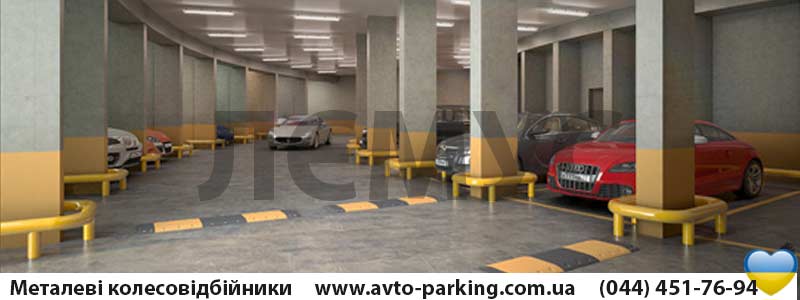
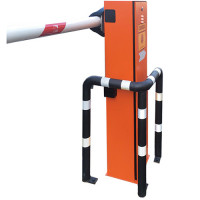
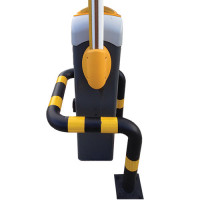
Today, metal wheel breakers protect not only the walls and columns of car parks, but also stands for barrier booms, which can be accidentally hit.
Even in shopping centers, due to the fact that they are now huge and the work of loaders is needed, wheel chippers are being installed.
Note that, along with metal, rubber wheel bumpers and concrete ones are often used. However, today we are not talking about them.
Let's look at what types of metal wheel breakers are.

Metal wheel breakers are:
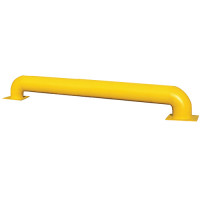
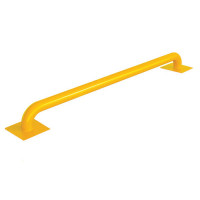
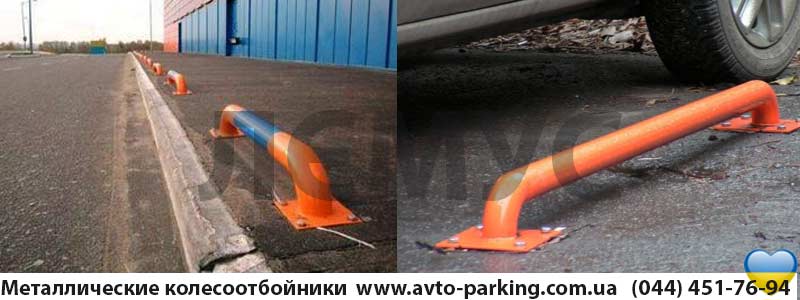
- straight - such wheel breakers are most often used either along sidewalks or between parking spaces to separate them. Also, straight metal wheel chippers are installed along the walls in parking lots or along the walls of warehouses.
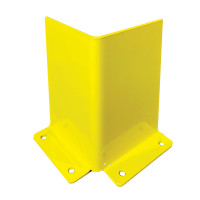
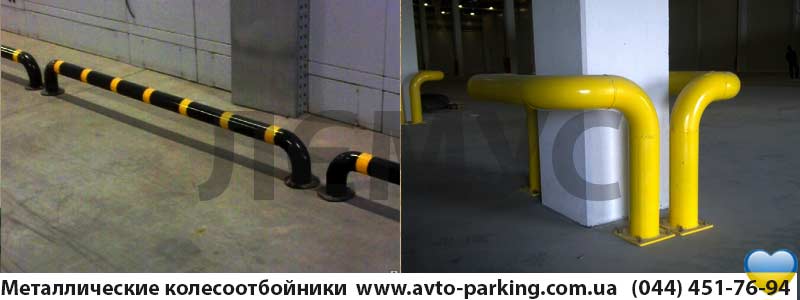
G-W- and U-shaped metal wheel chippers are designed to protect columns from car collisions, as well as poles. Here we should note that the less reliable the protected object, that is, the thinner the pillar or column, the higher and more massive the wheel chipper.
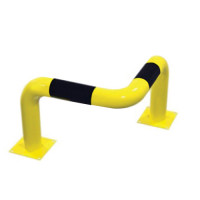
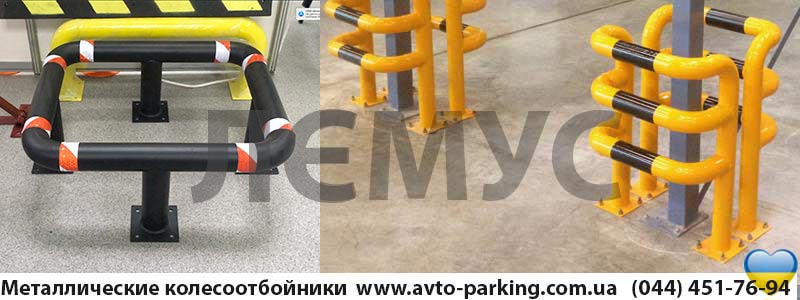
we smoothly move on to multi-tiered wheel chippers - we repeat that the less reliable the object and the more it needs to be protected from collision, the higher and more massive the wheel chipper. In this case, we are not talking about vertical fastening of the wheel chippers, they are installed only in the road surface. Also, multi-tiered metal wheel chippers are used in warehouses or in industrial premises where heavy equipment operates and it is possible to drive the body into a column or hit a wall in a dangerous area for maneuver. The height of the wheel bumper allows you to dampen the blow and save the wall.
- arched - used around round columns of parking lots or shopping centers
- thin and massive - most often the diameter of the metal pipe of the wheel bumper is 76mm - this is the width that we are used to seeing in parking lots. Such wheel breakers are familiar to the eye and have a sufficient margin of safety. In rare cases, a thicker pipe is needed - at strategic sites or places where increased safety requirements are required. Sometimes it is possible to use a pipe with a diameter of 57mm or even 50mm. Such wheel breakers are used where it is necessary to restrict the movement of not vehicles, but, for example, trolleys, wheelbarrows in warehouses.
- stainless steel wheel fenders - long service life and a great look that will fit into any room level
- metal wheel chippers with powder coating - usually the painting is applied in several layers, which ensures years of service in perfect condition even on the street
- galvanized wheel bumpers - as well as stainless ones, they are superior to powder painting in terms of service life. Galvanized wheel fenders can additionally be powder coated on top in any color - this option is a worthy answer in terms of quality to stainless wheel fenders, and an incomparable plus is the possibility of painting in any color or combination of colors.
How to properly install metal wheel breakers?
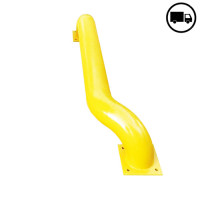
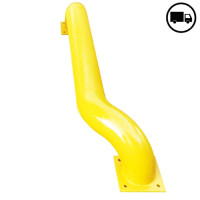
Most commonly, wheel fenders are anchored into the floor/pavement. There is also a vertical installation - when the wheel breakers are attached to the wall.
Vertical installation is used either when the floor is uneven, or when it is necessary to raise the fender from the ground to a certain height.
In case of poor floor or road surface, the installation sites are concreted before installation on the anchors.